Nerja and Frigiliana may be only a short distance apart, but they offer two very different sides of Andalusia. Frigiliana rises above the coast in a maze of steep, whitewashed streets, flower-filled corners and viewpoints stretching towards the Mediterranean. Nerja, meanwhile, has a distinctly coastal energy, with small coves, lively pedestrian streets and the dramatic views from the Balcón de Europa. The Moorish–Mudéjar character of Frigiliana’s old quarter gives the village a strong sense of history, while Nerja brings the sea into the experience through its rugged coastline and beaches. Together, they create a varied day trip, moving from the narrow lanes of a historic hillside village to wide, open views over the Mediterranean.
Yes, Nerja and Frigiliana can comfortably be visited in one full day, especially if you focus on their historic centres, viewpoints and coastline rather than trying to see every attraction. In my opinion, both places are absolutely worth visiting and should not be missed if you are travelling nearby. The view from Nerja’s Balcón de Europa is genuinely jaw-dropping, while Frigiliana is the kind of village that stays with you—not only because it is beautiful, but also because its streets, architecture and history give it a character of its own.
- 🌍 Where Αre Nerja and Frigiliana?
- 📖 A Little History Before You Visit
- ⏱️ Can Υou Visit Nerja and Frigiliana in One Day?
- 🚗 How to Get to Nerja and Frigiliana
- 🗺️ The Perfect Nerja and Frigiliana One-Day Itinerary
- 🏘️ Best Things to Do in Frigiliana
- 🌊 Best Things to Do in Nerja
- 🌤️ Best Time to Visit
- 🍽️ What to Eat and Drink
- 💡 Practical Tips for Your Day Trip
- ✨ Is a Nerja and Frigiliana Day Trip Worth It?
- ❓ FAQ: Visiting Nerja and Frigiliana
🌍 Where Αre Nerja and Frigiliana?
The Axarquía Region of Andalusia
Nerja and Frigiliana are located in Axarquía, the eastern part of Málaga Province. Nerja lies on the Mediterranean coast, while Frigiliana sits only a few kilometres inland, on the lower slopes near the Sierra de Almijara. Although the journey between them is short, the landscape changes quickly. Nerja’s coastal streets and open sea views give way to winding roads, cultivated hillsides and a more rural atmosphere.
As you approach Frigiliana, white houses begin to appear along the slope, surrounded by mountains and green valleys. This contrast is one of the main reasons the two places work so well together. In a single day, you can move from the Mediterranean coast to a historic hillside village without spending hours travelling between them.
Coast, Mountains and Whitewashed Villages
Nerja’s coastline is more dramatic than the long, flat beaches found in some other parts of the Costa del Sol. Rocky sections divide the shore into beaches and smaller coves, while viewpoints above the water offer wide views across the Mediterranean. Frigiliana offers a different perspective. Its whitewashed houses climb the hillside in layers, connected by narrow lanes, stairways and small terraces. From the upper streets, the view stretches across the surrounding countryside towards the sea. Together, the two landscapes create a striking combination: rugged coastline below, mountains behind and a bright white Andalusian village rising between them.
📖 A Little History Before You Visit
Frigiliana’s Moorish Past
Frigiliana’s old quarter is of Moorish–Mudéjar origin and is considered one of the best preserved in Málaga Province. Its history remains visible in the shape of Barribarto, where steep, interconnecting lanes twist between whitewashed houses instead of following a planned street grid. The closely built homes, arches, passages and small courtyards reflect a settlement that developed around the hillside rather than reshaping it. Today, colourful doors, ceramic signs and flower-covered balconies soften the white façades, but the underlying layout still reveals the village’s Andalusian past.
Frigiliana also has a long connection with sugarcane cultivation. For centuries, sugarcane was an important crop along this part of the Andalusian coast, and the village became known for producing miel de caña. Despite its name, this is not honey made by bees, but a dark, thick syrup produced from sugarcane. You may see it served with local dishes, particularly fried aubergine, creating one of the region’s most distinctive sweet-and-savoury combinations.
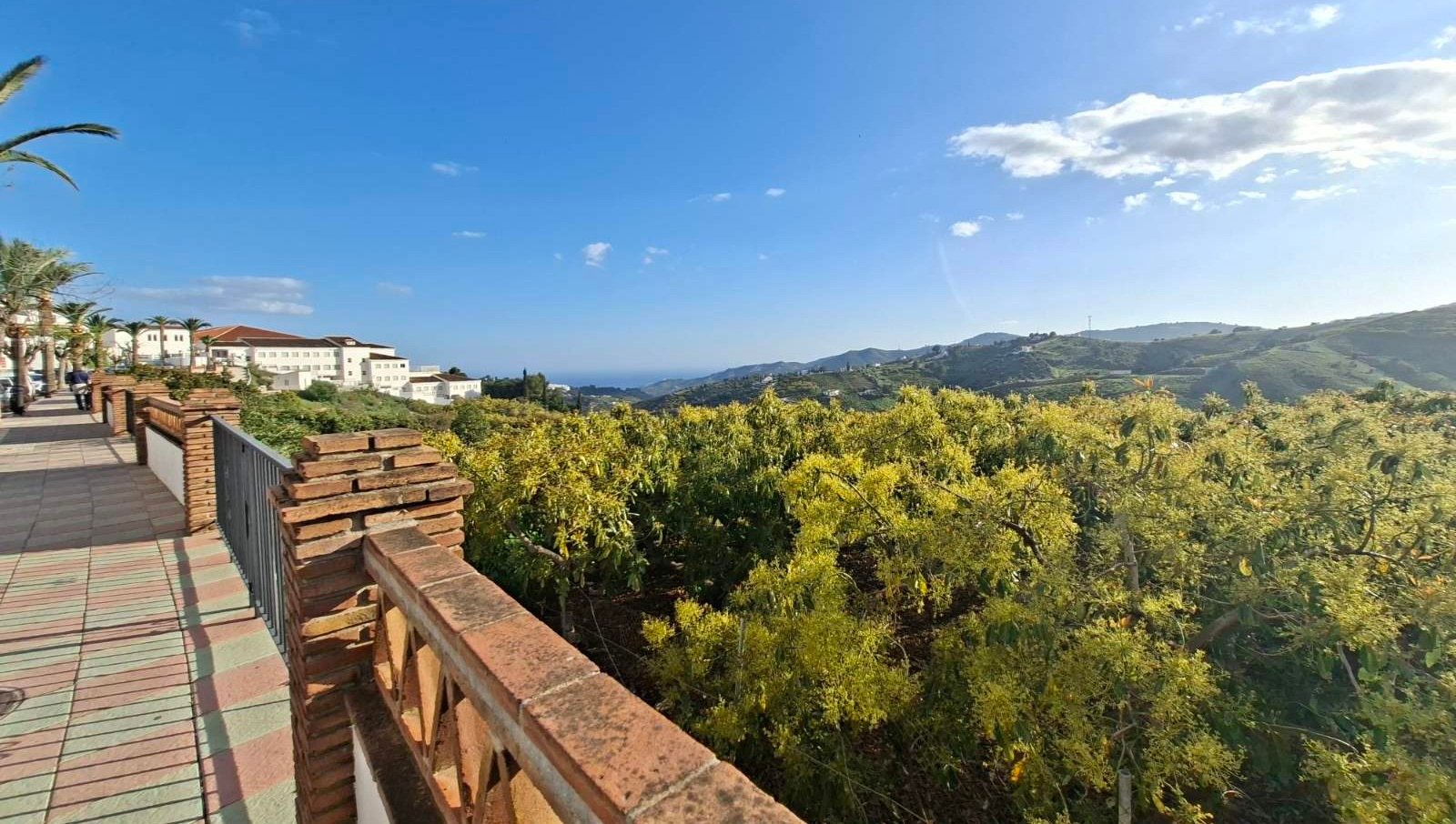
Nerja and the Story of the Balcón de Europa
Before Nerja developed into a popular coastal destination, local life was shaped largely by fishing, agriculture and the Mediterranean. The site now occupied by the Balcón de Europa once held a fortified coastal position, commonly known as La Batería, which was destroyed during the Peninsular War.
The viewpoint’s famous name is traditionally linked to King Alfonso XII. After the destructive Andalusian earthquake of December 1884, the king visited Nerja on 20 January 1885 to inspect the damage. According to the local municipal account, the view impressed him so deeply that he described the site as the Balcón de Europa.
Today, the viewpoint stands at the centre of Nerja’s public life. Although the town has grown into a busy seaside destination, the Balcón still connects its modern coastal identity with its earlier history as a settlement looking out over — and once defending — the Mediterranean.
⏱️ Can Υou Visit Nerja and Frigiliana in One Day?
Yes, Nerja and Frigiliana can easily be combined into one full-day trip. Allow a few hours for Frigiliana in the morning, followed by Nerja’s old town and coastline in the afternoon.
You do not need to rush, provided that you focus on the main highlights instead of trying to visit every street, beach and attraction. A few hours are enough to explore Frigiliana’s old quarter at a relaxed pace, stop at its viewpoints and enjoy a coffee or light meal. You can then spend the rest of the day walking through Nerja’s historic centre, visiting the Balcón de Europa and relaxing by the sea.
For travellers who prefer a slower pace, staying overnight in Nerja can make the experience even more relaxed. However, one full day is enough to see the main highlights of both Nerja and Frigiliana and understand what makes each place special.
Which Should You Visit First: Nerja or Frigiliana?
For most travellers, the best order is to visit Frigiliana in the morning and Nerja in the afternoon. Frigiliana’s steep streets are more comfortable before the day becomes hot, and the old quarter is often quieter earlier. Nerja works naturally later, when you can combine the historic centre with coffee, ice cream, a nearby beach and the softer light over the Mediterranean.
🚗 How to Get to Nerja and Frigiliana
By Car from Málaga
Travelling by car is the easiest and most flexible option. Follow the coast east from Málaga towards Nerja, then take the short uphill drive to Frigiliana. A car lets you start early and stay in Nerja for sunset or dinner without depending on the final bus. The road to Frigiliana becomes more winding as it climbs inland, but the journey is short and the changing scenery is part of the experience.
By Bus from Málaga
ALSA operates direct services between Málaga and Nerja. Journey times vary depending on the service and number of stops, so choose one of the faster departures when planning a day trip. From Nerja, a local bus continues to Frigiliana. For the smoothest route, travel from Málaga to Nerja in the morning, connect directly to Frigiliana and return to Nerja after exploring the village. The local schedule differs between weekdays, weekends, public holidays and parts of the summer season.
Always check the current timetable before travelling, as services vary by day and season.
A taxi between Nerja and Frigiliana is a useful alternative if the bus times do not suit your itinerary, particularly when travelling with another person.
Joining an Organised Tour
An organised excursion can be a convenient alternative for travellers who do not want to drive or coordinate several bus journeys. Many day tours from Málaga and the Costa del Sol combine Nerja and Frigiliana, sometimes including the Nerja Cave as well.The main advantage is simplicity: transport and timing are arranged for you. However, tours often allow limited free time in each destination, and including the cave may reduce the time available for Frigiliana’s old quarter, Nerja’s coastline or a relaxed meal.
Before booking, check exactly what is included and how much independent time you will have. A tour focused primarily on the Nerja Cave may not be the best choice when your priority is wandering through both towns at a slower pace.
Parking in Nerja and Frigiliana
In Frigiliana, it is best to leave the car in the lower part of the village and explore the historic quarter on foot. The official tourism office identifies parking beneath the Plaza de las Tres Culturas, close to the beginning of the walking route into the old town.
Avoid trying to drive into the steep, narrow streets of the historic quarter. Even where vehicle access is permitted, the roads can be uncomfortable for visitors unfamiliar with the village.
In Nerja, you will find both street parking and dedicated car parks, but spaces near the historic centre can be harder to find during busy periods. The municipal Balcón de Europa car park is a central option for reaching the old town, coastline and main viewpoint on foot.
Arriving earlier generally gives you more choice. Once parked, Nerja’s central sights and nearby beaches are close enough to explore on foot, so there is usually no need to move the car again until the end of the day.
🗺️ The Perfect Nerja and Frigiliana One-Day Itinerary
The best way to combine Nerja and Frigiliana is to begin in the hills and finish beside the Mediterranean. Visit Frigiliana during the cooler morning hours, stop for lunch and then spend the afternoon exploring Nerja’s old town and coastline.
This itinerary assumes that you are not visiting the Nerja Cave. If you decide to include it, start earlier and expect to spend less time in the town centre or at the beach.
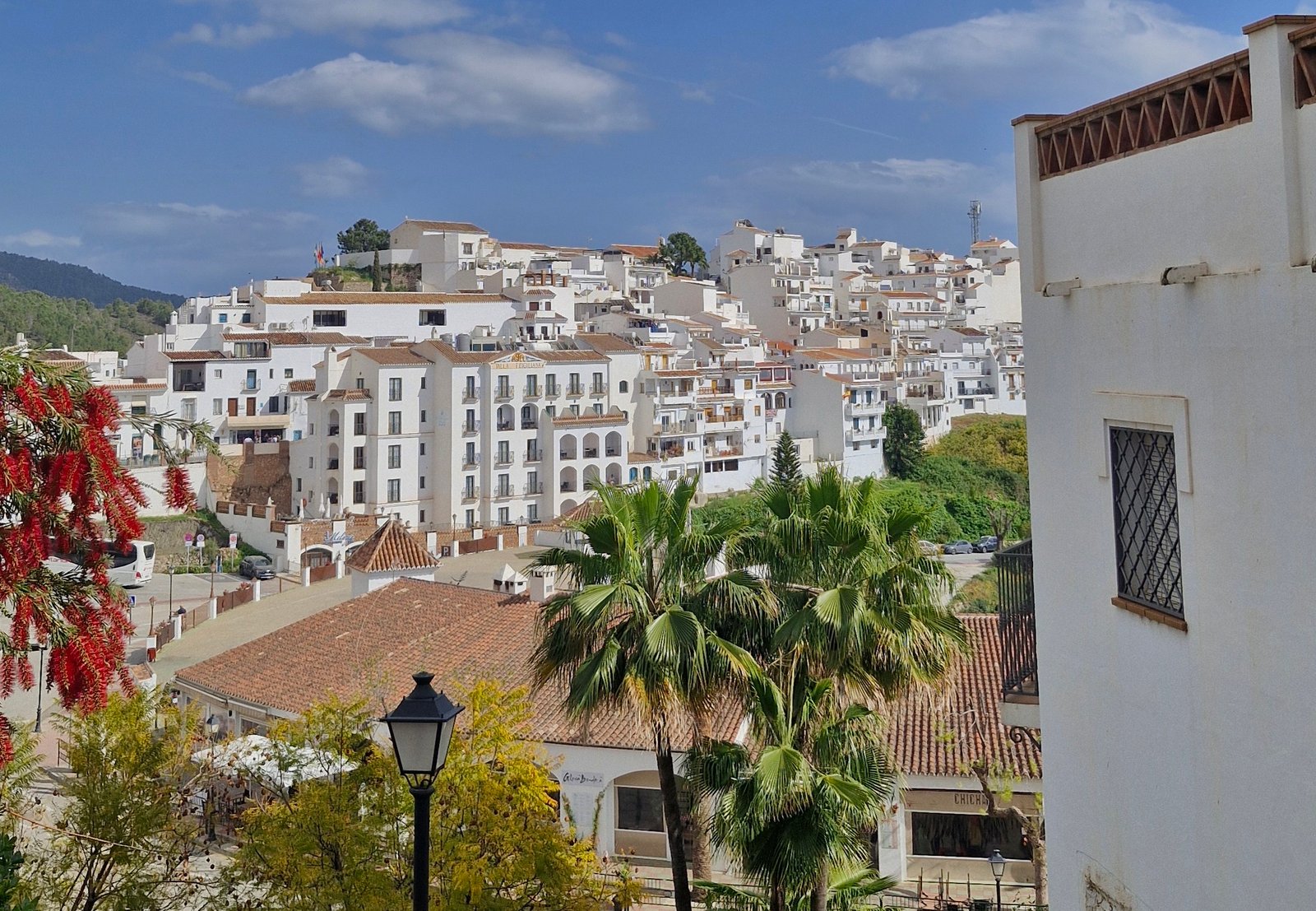
Morning: Explore Frigiliana
Arrive in Frigiliana early and begin your walk from the lower part of the village. Follow Calle Real into Barribarto, the historic Moorish quarter, allowing around three hours to explore at a relaxed pace. Spend the morning wandering through the old quarter, passing the Church of San Antonio, Fuente Vieja and several hillside viewpoints. There is no need to follow a strict route—use Calle Real as the main thread of your walk and take small detours whenever a staircase or narrow lane catches your attention. Before leaving, return towards the lower village to see El Ingenio and browse the small shops selling ceramics, crafts and local products.
Lunch in Frigiliana
Stop for lunch in Frigiliana before continuing towards the coast. We ate at Pura Cepa Frigiliana, where the food was excellent. Having a proper meal after the uphill walk gave us time to rest and enjoy the village at a slower pace. Nerja offers more restaurants and seafood options, but lunch in Frigiliana creates a more relaxed transition between the two parts of the day.
Afternoon: Nerja’s Old Town and Coast
After lunch, travel down to Nerja and begin in the historic centre. Walk through the pedestrian streets towards the Balcón de Europa, then take time to enjoy the views across the Mediterranean and the beaches below. From the viewpoint, continue towards one of the small central beaches, such as Calahonda or Caletilla. Choose one rather than trying to visit several, leaving enough time to walk through the surrounding streets or sit beside the water. During our visit, we stopped at ALBI Urban Café Balcón de Europa for coffee and ice cream before continuing our walk around the centre.
Late Afternoon by the Sea
Keep the final part of the day flexible. You can return to the Balcón de Europa when the light becomes softer, stay near one of the central coves or find a terrace for a drink overlooking the coast. Visit Burriana Beach only if spending more time by the sea is a priority. It is larger, livelier and has more facilities, but reaching it adds extra time to the itinerary. For a more relaxed day, remain around Nerja’s old town and the beaches beneath the Balcón de Europa.
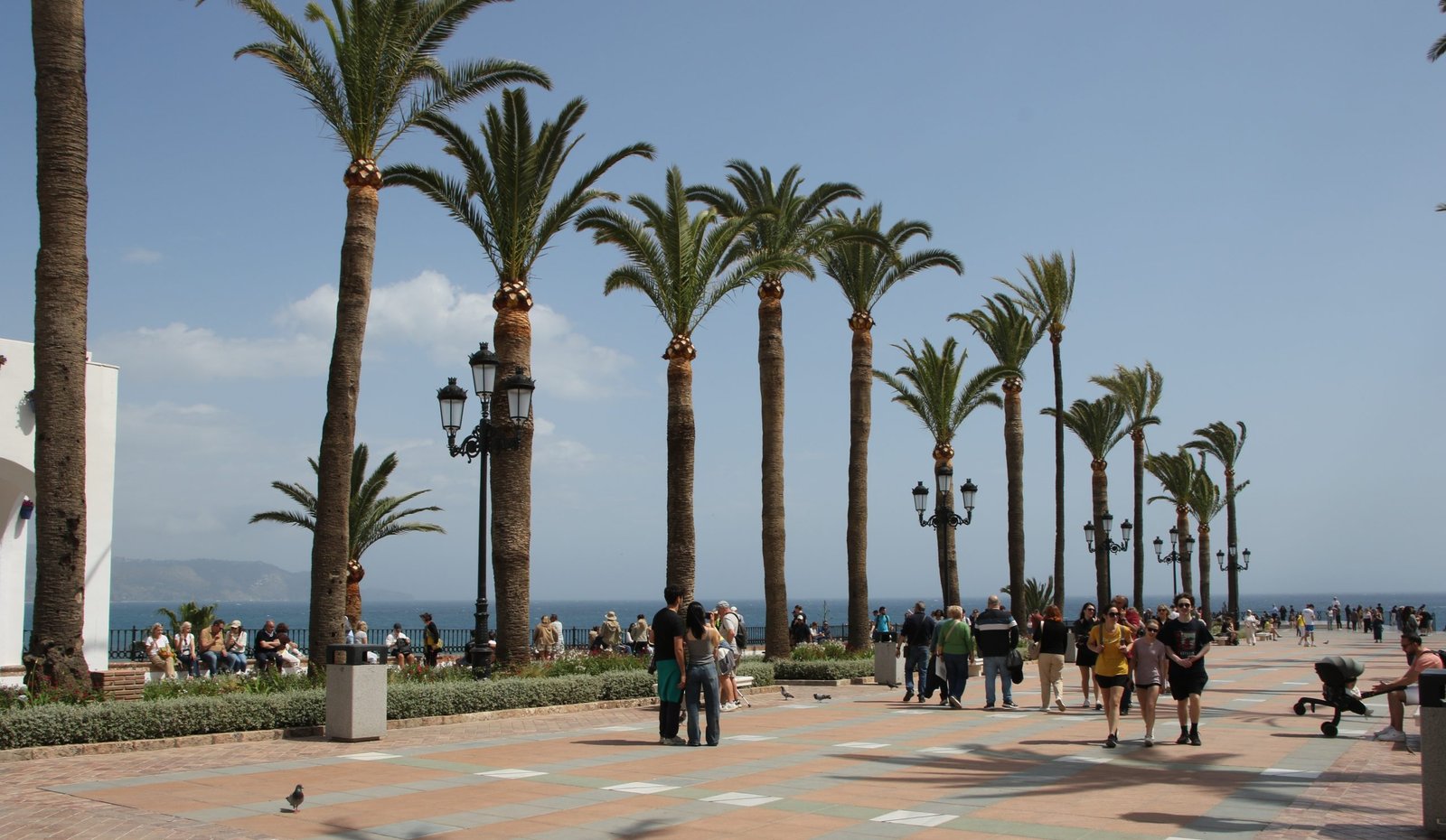
🏘️ Best Things to Do in Frigiliana
Wander Through Barribarto and Follow Calle Real
Barribarto is the heart of Frigiliana’s historic quarter. Its steep lanes, stairways and covered passages create a maze of whitewashed houses that feels far more rewarding to explore slowly than through a strict checklist.
Calle Real provides a natural route through the village. Use it as the main thread of your walk, but step away whenever you notice a narrow alley, an interesting staircase or a glimpse of the countryside between the houses.
The street is also a good place to look for locally made products, including ceramics, crafts and jars of miel de caña. However, the most memorable parts of the walk often begin when you leave the main street and explore the smaller lanes branching away from it.
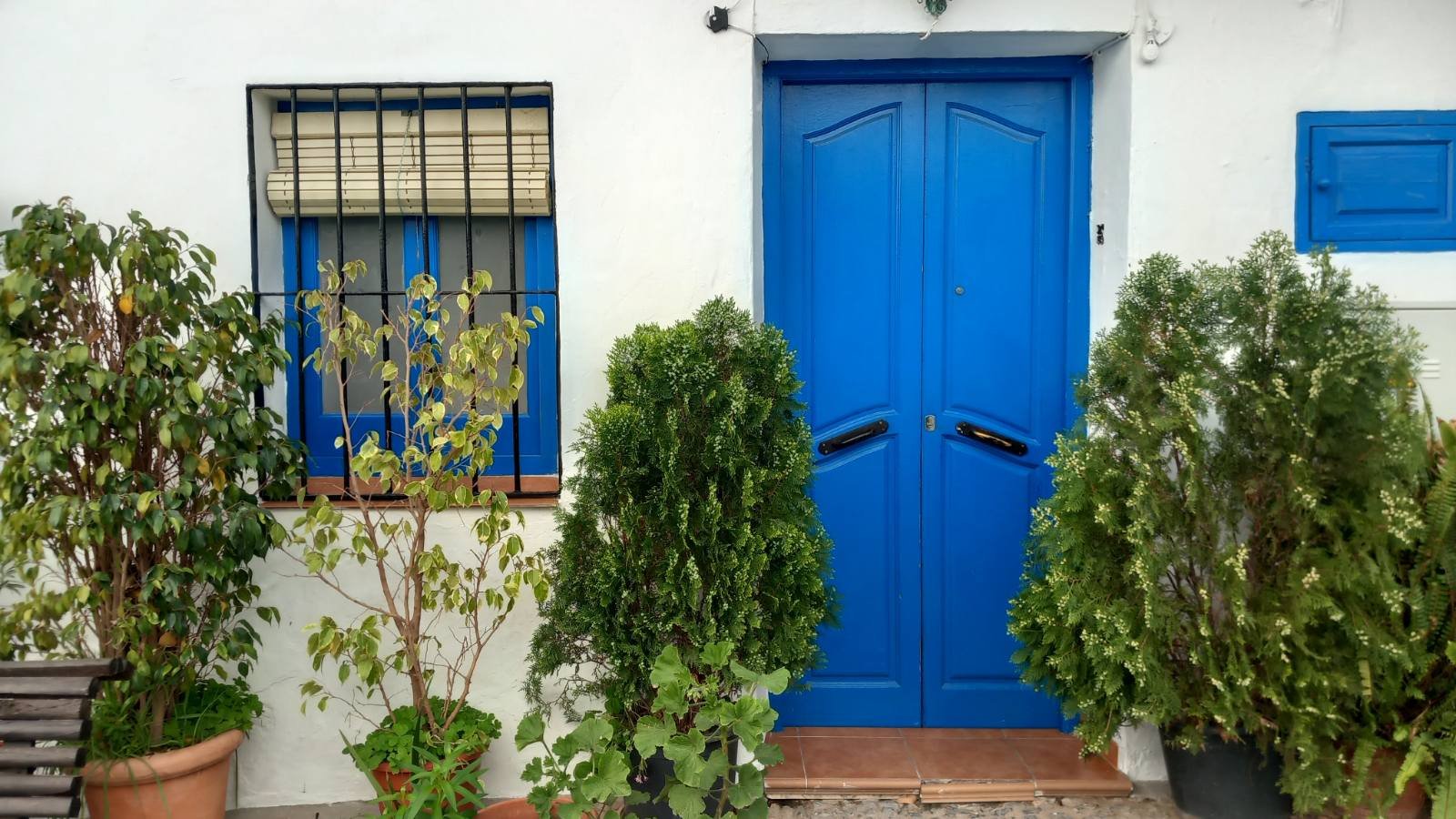
Look for Views and Small Architectural Details
Some of Frigiliana’s best views appear unexpectedly rather than from one famous observation deck. As you climb, look through gaps between buildings and pause on small terraces where the white village, green hills and Mediterranean align in the same scene. Also pay attention to the smaller details: blue and green doors, iron balconies, patterned tiles, ceramic street signs and flowers against white walls. These are not simply decorations; they are what give each street its own personality and make the village so enjoyable to photograph.
The viewpoints near Casa del Apero are also worth visiting, offering views over the lower village, El Ingenio and the surrounding landscape.
See El Ingenio and Learn About Sugarcane Honey
Close to the entrance of the old quarter stands El Ingenio, one of the largest and most recognisable buildings in Frigiliana. It was constructed in the late 16th century as a Renaissance-style residence for the Manrique de Lara family, the former lords of Frigiliana. Materials from the village’s demolished Moorish castle were reportedly reused in parts of the building. Today, El Ingenio remains closely connected with the production of miel de caña.
According to Frigiliana’s tourism office, El Ingenio houses Europe’s only remaining working molasses factory. You may find miel de caña in village shops or served with dishes such as fried aubergine, where its sweetness contrasts with the salty, crisp vegetables.
Visit the Church of San Antonio and Fuente Vieja
The Church of San Antonio sits in the upper village beside a small square and makes a pleasant resting point during the climb.
Fuente Vieja, or Old Fountain, is a quieter historical stop nearby. It is not a dramatic monument, but reaching it takes you beyond the most photographed streets and offers a glimpse of the practical structures that once supported daily village life.
🌊 Best Things to Do in Nerja
Take in the View from the Balcón de Europa
The Balcón de Europa is Nerja’s most recognisable landmark and the place that best captures the town’s relationship with the Mediterranean.
The viewpoint projects above the rocky coastline, creating an open panorama across the sea, cliffs and beaches below. No photograph fully prepares you for the moment when you step onto the balcony and the coastline suddenly opens in front of you. The view is genuinely breathtaking and was easily one of the strongest impressions Nerja left on me.
The balcony lies in the heart of town, surrounded by cafés, pedestrian streets and a lively square. It can become busy, but it is worth taking your time rather than arriving only for a quick photograph. Walk to the end, look in both directions and return later in the day when the changing light gives the coast a different atmosphere.
Walk Through Nerja’s Old Town
Nerja’s old town feels livelier and more commercial than Frigiliana, but it still retains the visual character of an Andalusian coastal town.
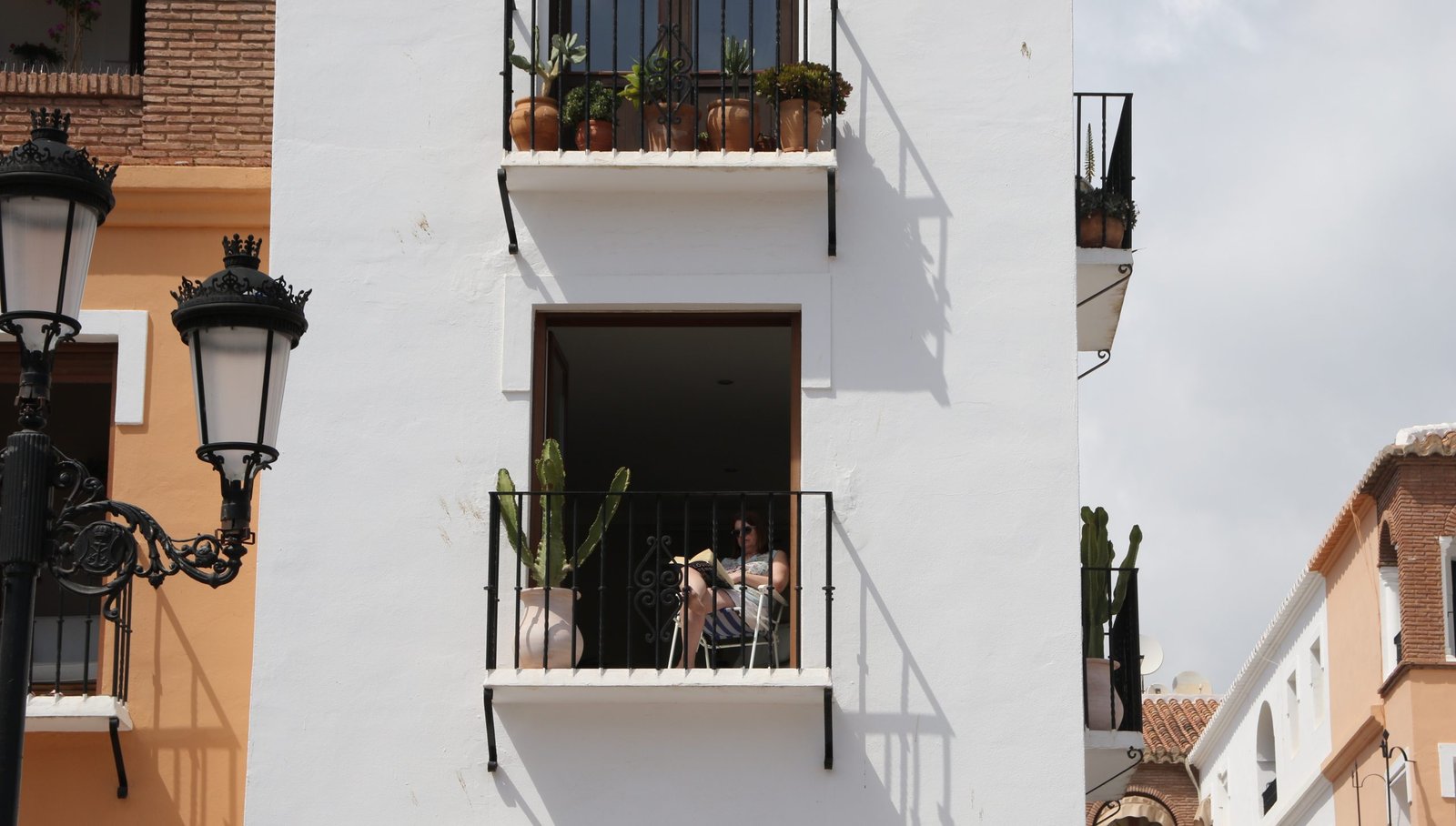
Its pedestrian streets are lined with white façades, balconies, cafés, restaurants and small shops. Glimpses of the sea appear between the buildings, gradually drawing you towards the Balcón de Europa and the coastline.
Rather than following a precise route, allow some time to wander through the lanes surrounding the central viewpoint. Stop in the smaller squares, explore the streets behind the busiest areas and pay attention to the transitions between town and sea.
The historic centre is compact enough to explore on foot, making it easy to combine sightseeing with lunch, a coffee or a short stop beside the water.
Visit the Small Beaches Below the Centre
One of Nerja’s most appealing features is how quickly you can move from the old town to the sea.
Calahonda Beach lies on one side of the Balcón de Europa, while Caletilla Beach sits on the other. Their position beneath the cliffs and central buildings makes them feel more intimate than a long, open resort beach. They are convenient choices when you want to see the coast or take a quick swim without travelling away from the historic centre.
The beaches are divided by rocky sections of coastline, giving each one a more enclosed identity. Even when you do not have enough time for a full beach day, walking down towards the water allows you to appreciate Nerja from a different angle.
Choose one nearby beach rather than trying to visit several. The aim is to experience the coastline, not turn the afternoon into another checklist.
Spend Some Time at Burriana Beach
Burriana Beach offers a very different experience from the smaller coves beneath the centre. It is one of Nerja’s largest and most visited beaches, with a long promenade, restaurants, beach bars and a wide range of facilities and water activities.
Burriana is a good choice when swimming or spending several hours beside the sea is one of your priorities. You can rent kayaks or paddleboards, walk along the promenade or stay for a meal near the beach. However, it should not be described as a peaceful hidden gem. It is developed, lively and frequently busy, particularly during the warmer months.
For a relaxed one-day trip, the small central beaches may be enough. Add Burriana when you specifically want more beach time and do not mind reducing the time available elsewhere.
Optional: Visit the Nerja Cave
The Nerja Cave is one of the region’s most important natural and archaeological attractions. The cave extends for several kilometres and contains large chambers, geological formations and evidence of prehistoric human activity. It was declared a Site of Cultural Interest in 2006.
However, the cave is located outside Nerja’s central old town, near Maro, and requires its own place in the schedule. The visit itself takes approximately 50 minutes, without including transport, waiting time or any additional museum visit. Opening hours vary throughout the year, so current information should always be checked in advance.
I chose to spend my limited time exploring the town and coastline instead, but the cave can be added if it is one of your priorities. In that case, visit it earlier in the day and accept that you will have less time for Nerja’s beaches, old town or a slower meal beside the sea.
For travellers primarily interested in archaeology, geology or natural history, the cave may be more important than additional beach time. For a day centred on atmosphere, walking and coastal scenery, it remains an optional rather than essential addition.
🌤️ Best Time to Visit
Nerja and Frigiliana can be visited throughout the year, but spring and autumn offer the best overall balance. Temperatures are usually more comfortable for walking, the countryside around Frigiliana is more pleasant to explore, and the coast is generally less crowded than during the peak summer months.
Spring is especially attractive when flowers add colour to Frigiliana’s white streets. Autumn can still bring warm, sunny days suitable for combining sightseeing with time beside the sea.
Summer is best for swimming but also brings stronger heat and more visitors. Visit Frigiliana early, carry water and sun protection, and avoid doing the steepest walking around midday.
Winter is quieter and often pleasant for exploring the historic centres, although swimming and beach time depend on the weather.
Whatever the season, try to visit Frigiliana in the morning, when the streets are quieter and the uphill walk feels easier. Save Nerja for the afternoon and early evening, when you can explore the old town, stop for coffee or ice cream and enjoy the changing light over the Mediterranean from the Balcón de Europa.
🍽️ What to Eat and Drink
Food can easily become part of the Nerja and Frigiliana day-trip experience rather than simply a break between attractions. Frigiliana is a good place for a relaxed lunch after exploring the old quarter, while Nerja offers more options for seafood, tapas, coffee and something sweet beside the coast.
Miel de Caña in Frigiliana
Frigiliana’s signature local product is miel de caña. Its sweet, slightly bitter flavour is often paired with fried aubergine, creating a classic sweet-and-savoury combination. You can also buy jars in local shops, making it a more distinctive souvenir than a generic gift.
Seafood by the Coast in Nerja
Nerja’s coastal location makes it a natural place to look for fish and seafood. Restaurants around the centre, the beaches and the promenades offer plenty of options, ranging from simple tapas to longer meals overlooking the Mediterranean.
Seafood is particularly convenient if you decide to have lunch or dinner after visiting the Balcón de Europa. However, the restaurants directly beside the busiest viewpoints may be more focused on their location, so it is worth checking the menu and walking a little farther when you want a quieter or more local atmosphere.
Where We Actually Ate
During our visit to Frigiliana, we ate at Pura Cepa Frigiliana. It was a very good choice and one of the most enjoyable stops of the day. After walking through the steep streets of the old quarter, sitting down for a proper meal gave us time to slow down and enjoy the village rather than treating it only as a sightseeing stop.
The food was excellent, and I would happily recommend the restaurant to travellers looking for somewhere to eat while exploring Frigiliana. It also worked well with the structure of our day: we visited the village first, had lunch there and then continued towards the coast.
Later, in Nerja, we stopped at ALBI Urban Café Balcón de Europa for coffee and ice cream. Its location made it a convenient break while exploring the centre and the Balcón de Europa area.
Coffee and ice cream felt like the perfect afternoon stop after lunch in Frigiliana, especially with the Mediterranean so close. Rather than planning another large meal, we could sit down, rest for a while and then continue walking around Nerja and enjoying the coastal views.
💡 Practical Tips for Your Day Trip
A Nerja and Frigiliana day trip is easy to organise, but a few practical details can make the experience much more comfortable.
- Wear shoes with good grip. Frigiliana has steep streets, stairs and uneven surfaces. Comfortable shoes are far more useful here than sandals with slippery soles, especially after rain.
- Carry water and sun protection. Shade can be limited in some parts of both destinations, particularly around midday.
- Choose one beach in Nerja instead of trying to visit the entire coastline.
- Check the bus schedules before leaving. Local services vary by day and season.
- Book the Nerja Cave in advance, if you plan to include it.
- Leave time for wandering and photography. Frigiliana loses much of its charm when explored in a rush.
- Adapt the route for limited mobility. Frigiliana’s upper quarter can be challenging, and several Nerja beaches require steps or steep access.
Most importantly, avoid trying to fit every possible attraction into one day. Nerja and Frigiliana are enjoyable because of their atmosphere, and that is easier to appreciate when the itinerary includes time to pause.
✨ Is a Nerja and Frigiliana Day Trip Worth It?
Yes—especially if you are staying in Málaga or travelling along the eastern Costa del Sol. The appeal lies in the contrast between the two places. Frigiliana offers steep whitewashed lanes, Moorish history, colourful details and views towards the coast, while Nerja brings small coves and the unforgettable panorama from the Balcón de Europa.
Both impressed me in different ways. Frigiliana felt exceptionally beautiful and full of character, while Nerja gave us one of the most breathtaking coastal views of the trip. Since they are only a short distance apart, you can experience history, local food, hillside scenery and the Mediterranean without spending most of the day in transit.
It is an excellent trip for first-time visitors, couples, solo travellers and photographers, as well as anyone looking beyond the larger Costa del Sol resorts. Beginning among Frigiliana’s white streets and ending beside the sea in Nerja is exactly what makes the day feel so varied and memorable.