Treviso is a historic city in northeastern Italy, located in the Veneto region about 30 km north of Venice. Known for its medieval walls, canals, and cultural heritage, it serves as both an economic hub and a gateway to the Prosecco wine country.
While visitors flood the canals of its famous neighbor, this small northern Italian city moves at a gentler pace. Pastel-painted houses reflect in quiet waterways, bicycles outnumber tour groups, and locals linger over prosecco in sunny piazzas.
Treviso doesn’t compete with Venice — it doesn’t need to. It charms you slowly, confidently, and without crowds.
📜 A Glimpse into History
Treviso’s roots stretch back to Roman times, when it was known as Tarvisium. During the Middle Ages, it flourished as a free commune before becoming part of the Republic of Venice. Its strategic position between the Alps and the Adriatic made it prosperous, and traces of its fortified past remain visible in the city walls and gates.
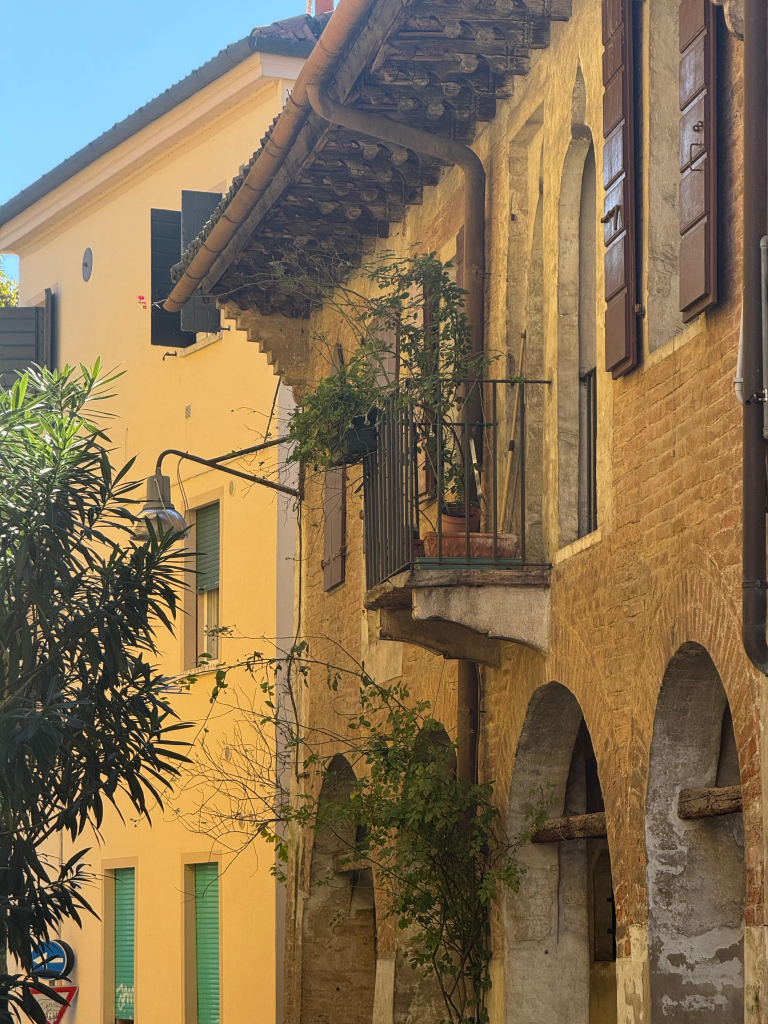
Under Venetian rule, Treviso gained elegant palaces, loggias, and painted facades — a quieter echo of Venice’s majesty. Later, like much of the Veneto region, it passed through Napoleonic and Austrian control before becoming part of unified Italy.
Despite heavy damage during World War II, Treviso carefully restored its historic core, preserving the intimacy and elegance that define it today.
🌍 Geography & Climate
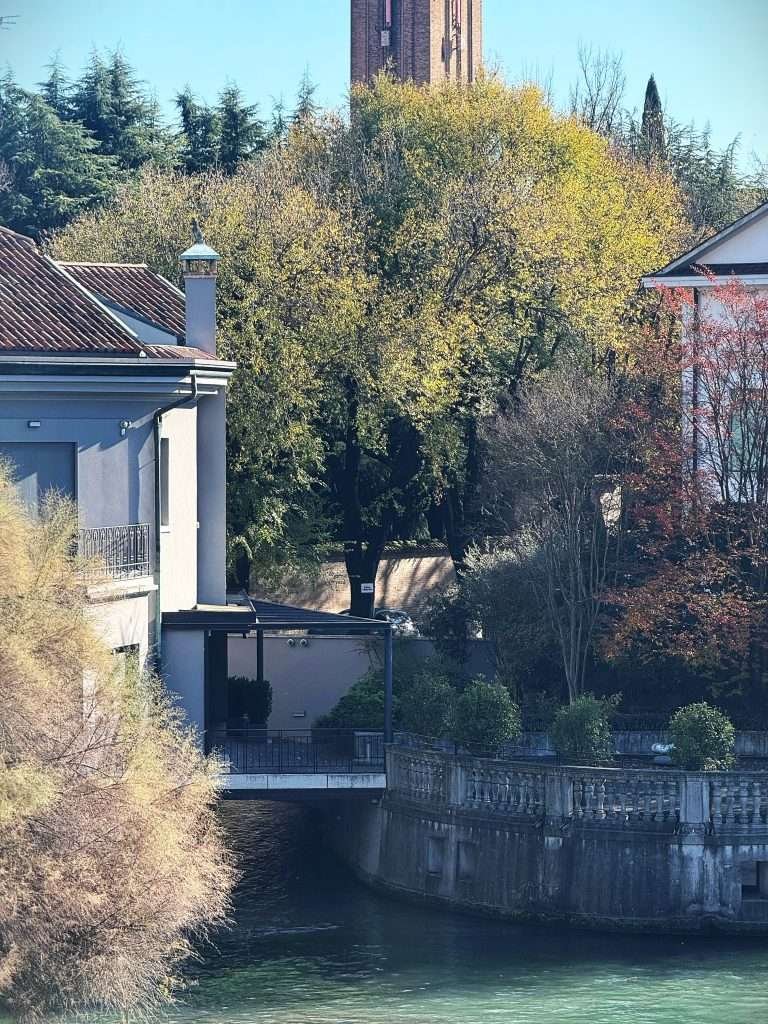
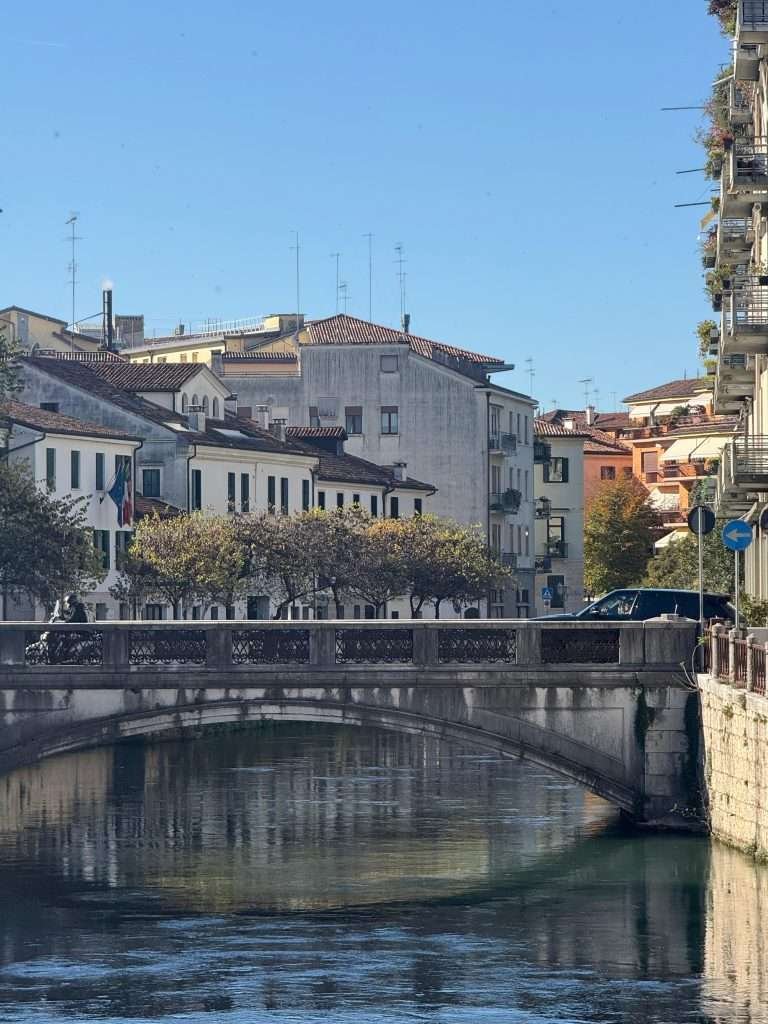
Treviso lies in the Veneto region of northern Italy, about 40 kilometers north of the Adriatic coast and just beyond the Venetian Lagoon. It is crisscrossed by canals fed by the Sile River, giving it a watery character — but on a smaller, more intimate scale than Venice.
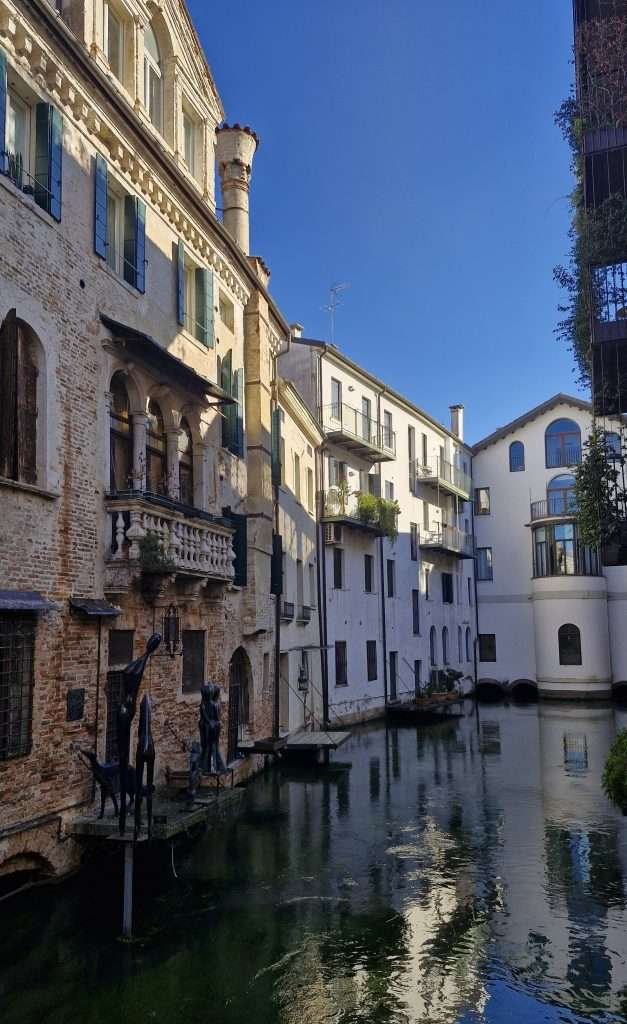
Here, the water feels part of daily life rather than staged for spectacle. Wooden shutters lean over canals. Small bridges connect quiet neighborhoods. Reflections shimmer without gondolas or crowds.
The climate is humid subtropical: warm summers, misty autumns, cool winters, and blossoming springs. Each season brings a slightly different mood, but the soft light reflecting on terracotta walls gives the town a year-round romance.
🏘️ The Historic Center
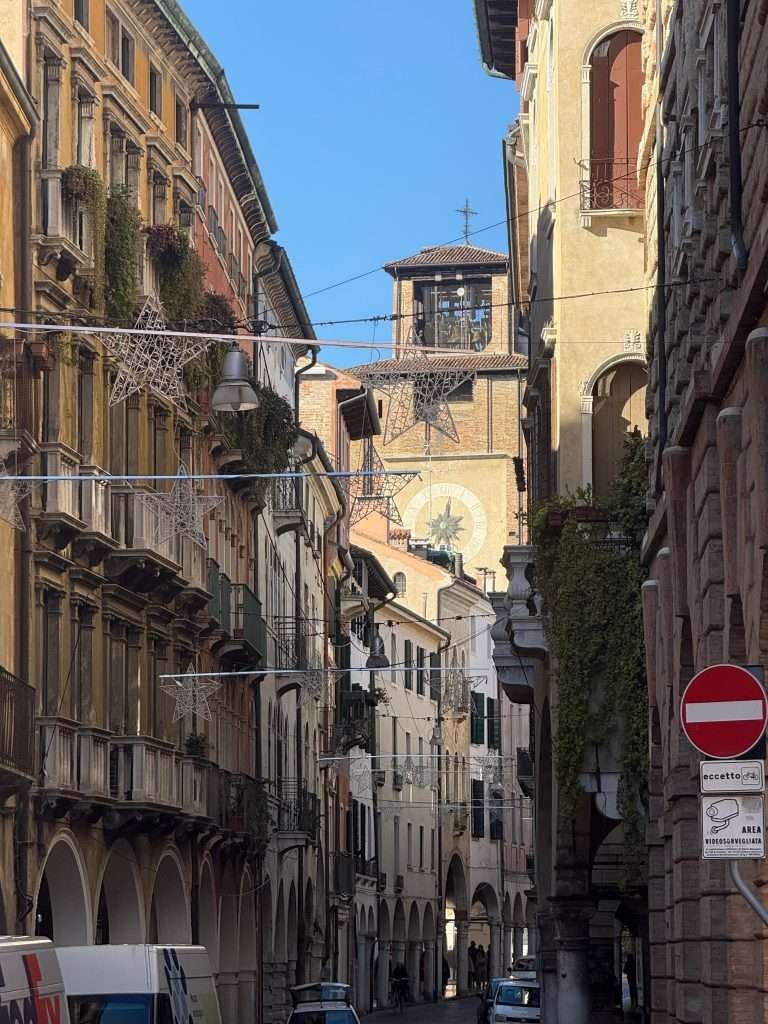
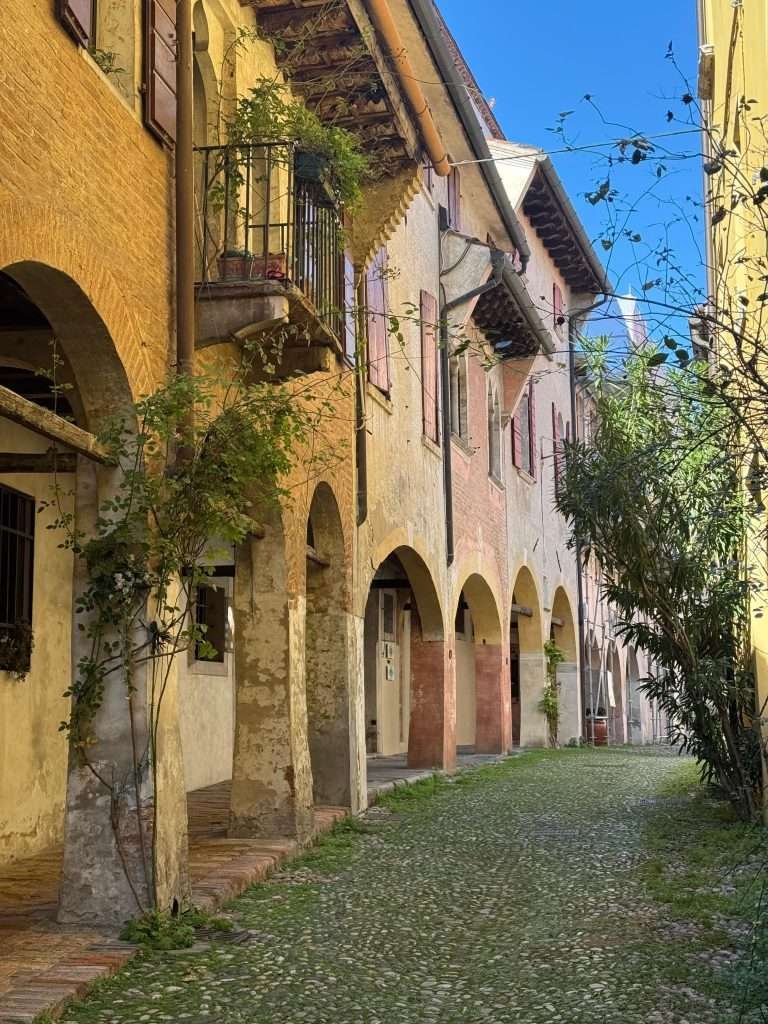
Treviso’s old town is compact, walkable, and wonderfully atmospheric. Enclosed by medieval walls, its cobbled streets open into elegant squares and canal-side walkways.
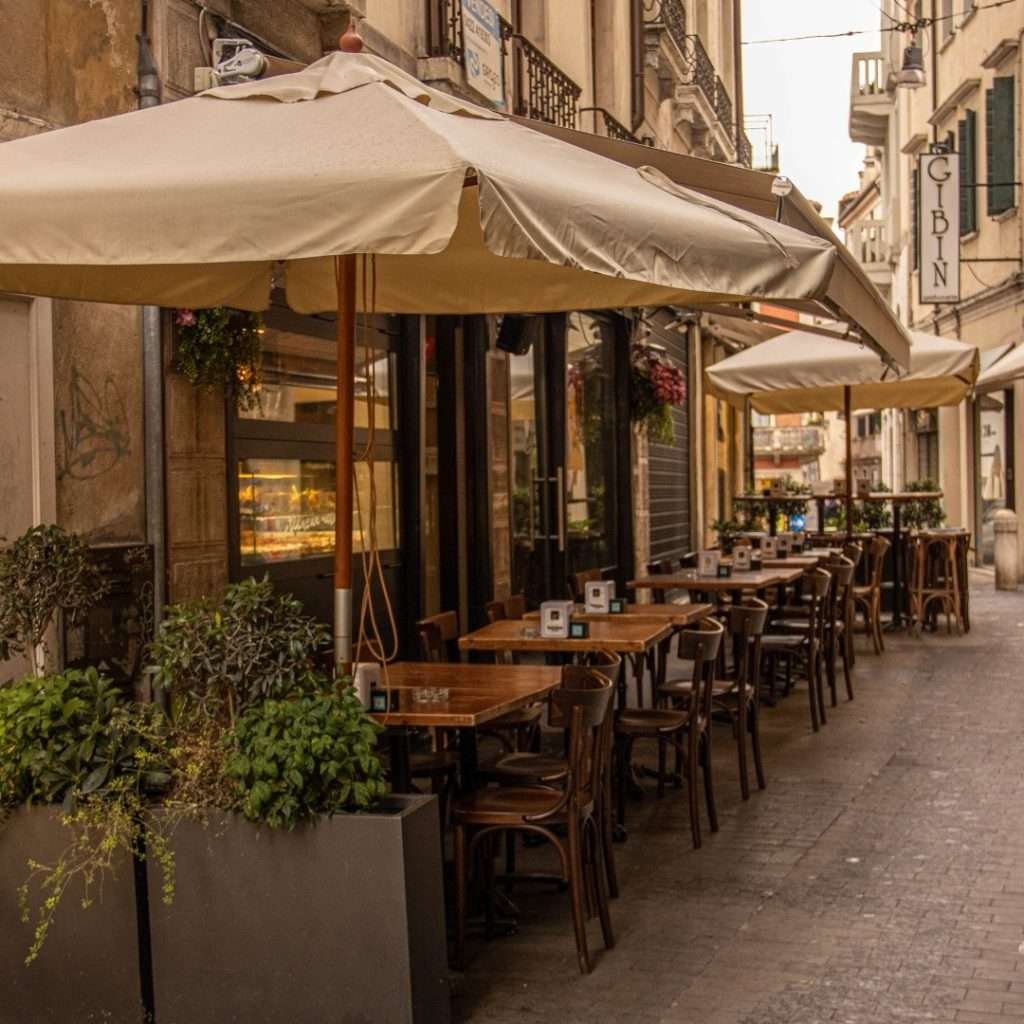
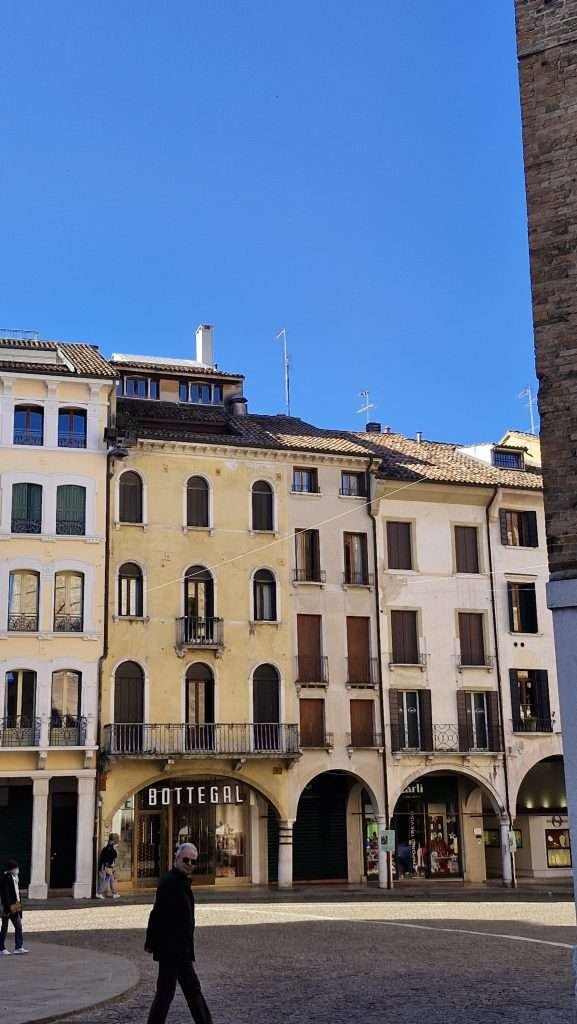
At the heart of it all stands Piazza dei Signori, the city’s main square, framed by arcades and lively cafés. Nearby, the imposing Palazzo dei Trecento recalls Treviso’s medieval political importance.
But the real beauty lies between landmarks — painted houses with faded wall paintings, hidden courtyards behind heavy wooden doors, and small artisan shops selling handmade goods rather than souvenirs.
This is a city best explored without a checklist.
🌊 Canals Without the Crowds
Treviso’s canals are its quiet treasure. One of the most picturesque corners is Isola della Pescheria, a small artificial island where the daily fish market takes place surrounded by flowing water.
Along the Buranelli Canal, wooden waterwheels still turn gently, echoing the town’s medieval past. The reflections here feel so artistic — emerald water beneath brick facades and soft archways.
It’s Venice in miniature — but calmer, more personal, and blissfully uncrowded.
🍷 Prosecco, Tiramisu & Local Flavours
Treviso sits at the heart of Italy’s prosecco region, making it an ideal place to sip a glass of crisp sparkling wine exactly where it’s produced. Many small enotecas (Italian wine bars) offer tastings paired with regional cheeses and cured meats, often served without fuss but with real pride.
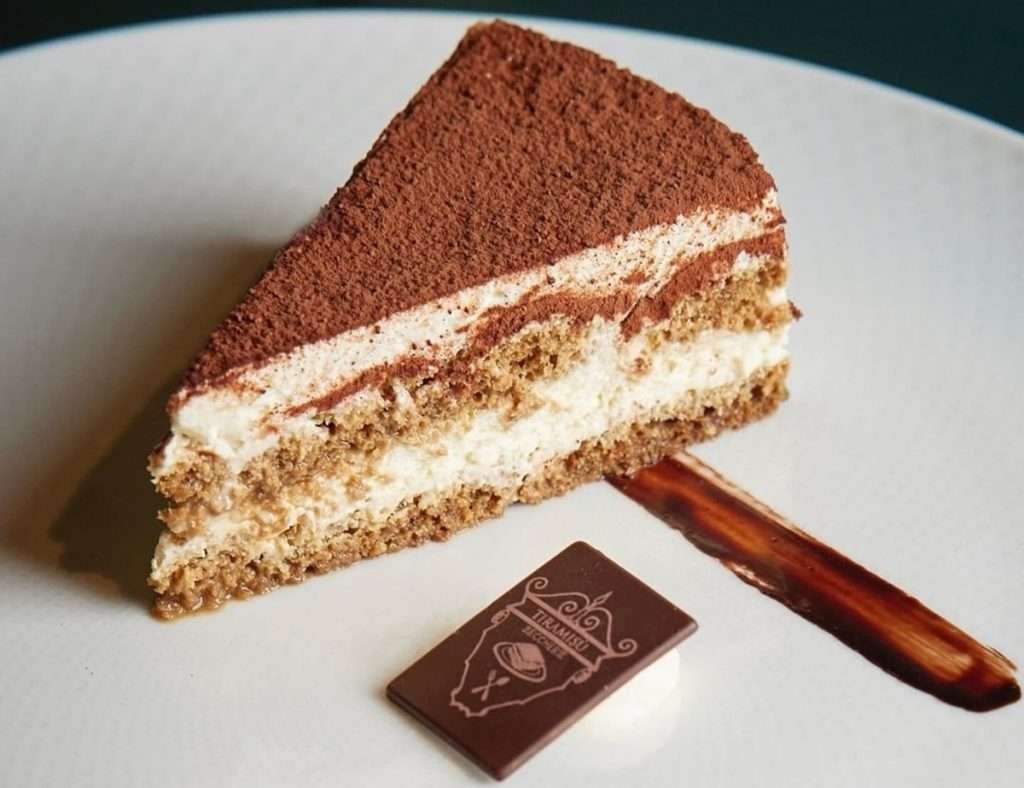
And here’s a sweet detail: Treviso is widely considered the birthplace of tiramisu. The famous dessert was first served at Le Beccherie in the 1960s. Whether legend or fact, ordering tiramisu here simply feels right.
Expect Venetian-influenced dishes, creamy risottos, seasonal vegetables, and relaxed dinners that stretch long past sunset.
💎 Hidden Gem: Bacaro San Michele
If you want a truly local experience, step into Bacaro San Michele — a cozy bacaro (traditional Venetian-style wine bar) where evenings unfold the Venetian way.
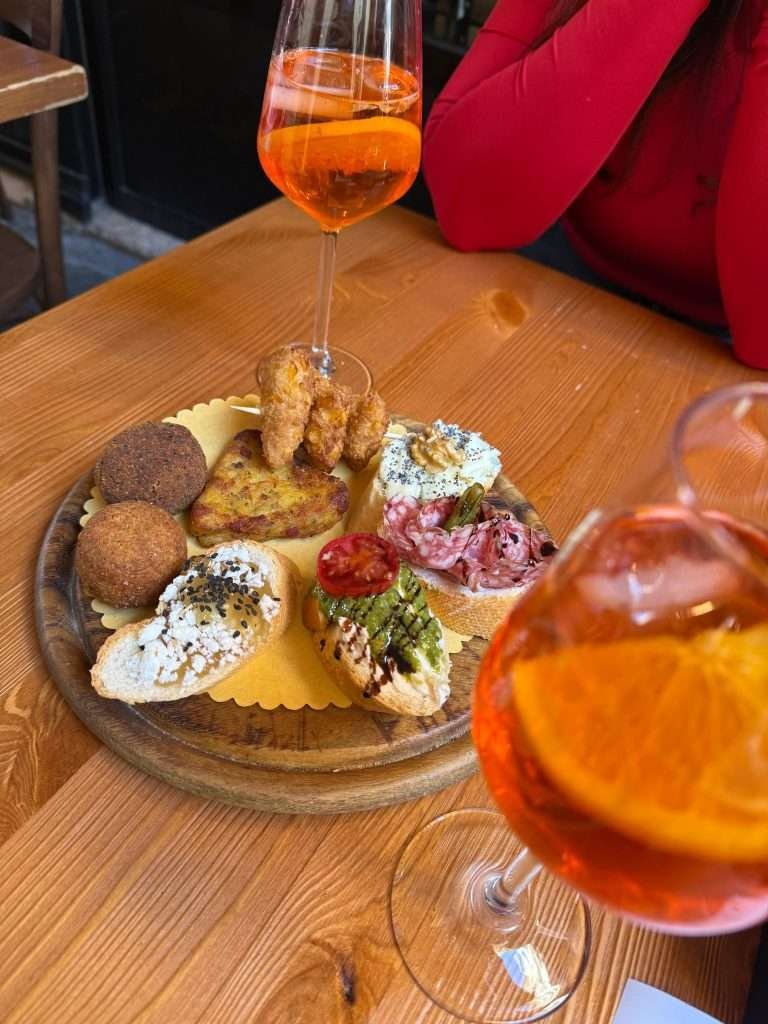
We ordered an Aperol Spritz and a selection of small bites displayed at the counter — colorful, beautifully arranged cicchetti (Venetian-style snacks) served on slices of fresh bread. From creamy spreads topped with walnuts to anchovies paired with sun-dried tomatoes and pesto, each bite was simple yet full of flavor.
There’s something wonderfully informal about it. You stand or sit close to the counter, choose what looks good, and let the conversation flow. No rush, no ceremony — just good wine, small plates, and that relaxed northern Italian rhythm.
It’s the kind of place you stumble upon and immediately hope never becomes too famous.
🚶 A Slower Italian Rhythm
Treviso is a place for slow travel. Mornings begin with espresso at the bar, afternoons drift into long canal-side walks, and evenings gather around aperitivo in quiet piazzas.
Without cruise ships or tour group umbrellas, the experience feels genuine. You hear Italian spoken all around you. You notice details — shutters opening, church bells echoing, bicycles gliding past.
It’s not a city that overwhelms you. It gradually wins you over.
🌿 Nature Along the Sile River
Just outside the city walls lies Parco Naturale Regionale del Fiume Sile, a protected river park perfect for cycling and walking. Flat trails follow the gentle Sile River through green countryside, offering a peaceful escape only minutes from the historic center.
On warm days, locals cycle along shaded paths or picnic near the water — a reminder that Treviso balances culture and nature effortlessly.
✈️ Venice Treviso Airport: A Smart Travel Hack
One of Treviso’s best-kept practical secrets is Treviso Airport (often referred to as Venice Treviso Airport).
Located just a few kilometers from the city center, it serves as a base for several low-cost airlines. Flights here are often significantly cheaper than those into Venice Marco Polo Airport — making Treviso not only charming, but convenient.
From the airport, you can reach Treviso’s center in about 10–15 minutes by bus or taxi. It’s one of the easiest small-city arrivals in Italy.
For budget travelers, this alone makes Treviso worth considering as a base.
🗓️ Suggested Half-Day or Full-Day Plan
Morning coffee in Piazza dei Signori.
Wander canals and Isola della Pescheria.
Lunch with prosecco and regional dishes.
Afternoon cycling along the Sile River or browsing small boutiques.
Evening aperitivo as the canals glow in golden light.
Stay overnight if you can — the atmosphere becomes even more magical once day-trippers leave.
🌟 Why Choose Treviso Instead of Venice?
Venice is unforgettable — but Treviso offers something different. Space. Calm. Authenticity.
Here, you can enjoy canals without crowds, prosecco without inflated prices, and Italian life without performance. It’s not about replacing Venice — it’s about complementing it.
If you’re looking for beauty without the rush, Treviso might be exactly what you didn’t know you were searching for.
✨ Fun Fact: The Origins of Tiramisu
While many cities claim it, Treviso proudly considers itself the birthplace of tiramisu. The dessert — whose name roughly translates to “pick me up” — was first created in the 1960s and quickly became a global icon of Italian cuisine.
Trying it here feels less like dessert and more like a culinary pilgrimage.