High in the hills of Andalusia, Ronda feels worlds away from Spain’s busy coastal cities. Dramatically split by the El Tajo gorge and surrounded by rugged countryside, this cliff-top town blends striking scenery with deep-rooted history. Wander its whitewashed streets, pause on its soaring bridges, sip local wine in a quiet square — and you’ll quickly understand why Ronda lingers long after you’ve left.
📜 A Glimpse into History
Ronda’s story stretches back millennia — evidence of human settlement here dates to prehistoric times, and its strategic high-plateau position made it important to Romans, Visigoths, and later the Moors. During the Islamic period (8th–15th centuries), Ronda flourished, leaving behind fortified city walls and the evocative Almocábar Gate and ancient Arab baths that still whisper of its Moorish past. In 1485 the city was taken by the Catholic Monarchs, marking another chapter of architectural layers and cultural blending that you can still feel in its churches, palaces, and plazas.
🐂 The Birthplace of Modern Bullfighting
Ronda is also known as the birthplace of modern bullfighting. The elegant Plaza de Toros de Ronda, built in 1785, is one of the oldest bullrings in Spain and an important symbol of the town’s cultural heritage.
While bullfighting today is a subject of debate and changing perspectives, its historical significance in Ronda is undeniable. The Romero family of matadors helped shape what became the modern style of bullfighting here, and the arena itself — with its graceful arcades and sandy ring — is architecturally striking even for visitors who simply come to understand the history rather than the spectacle.
🌍 Geography & Climate
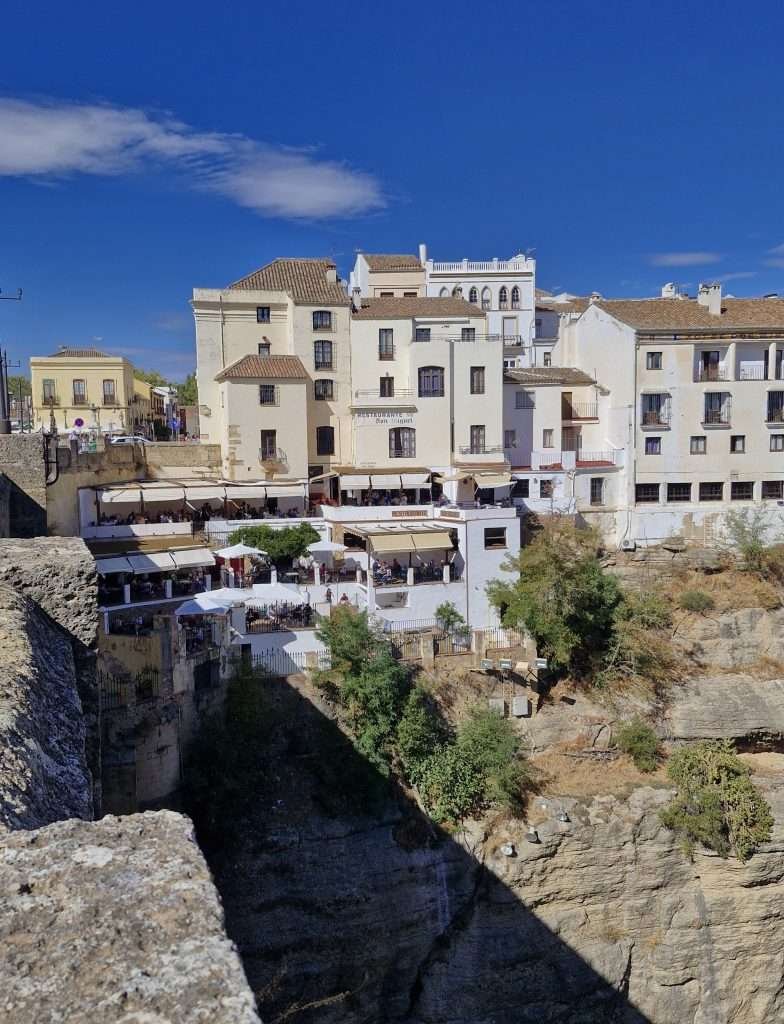
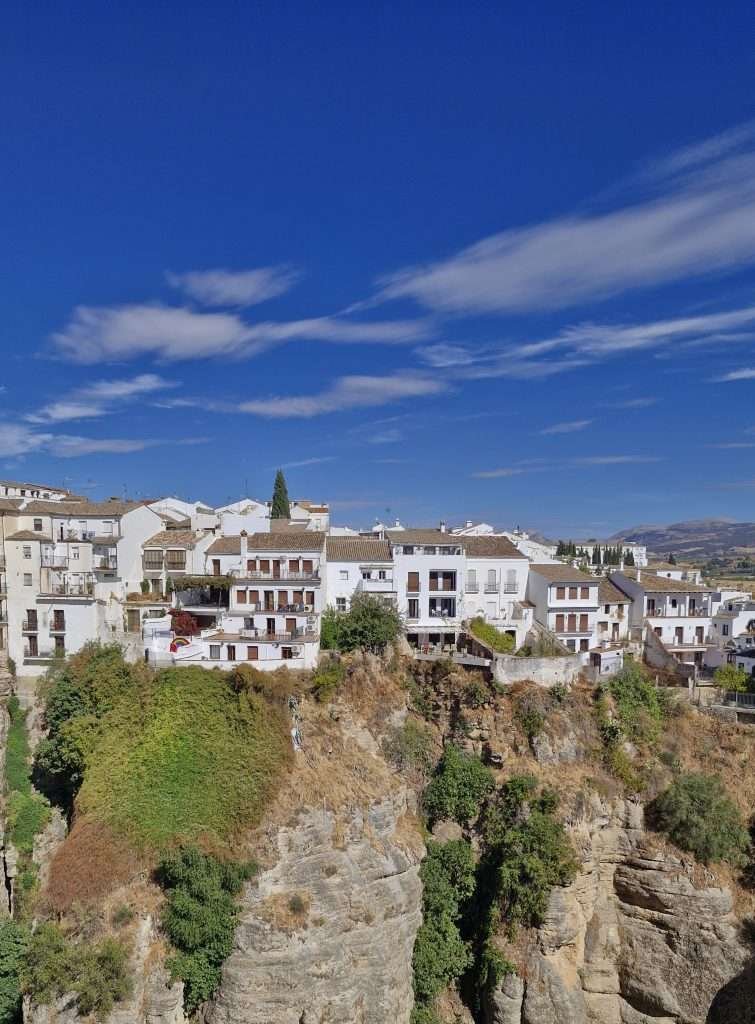
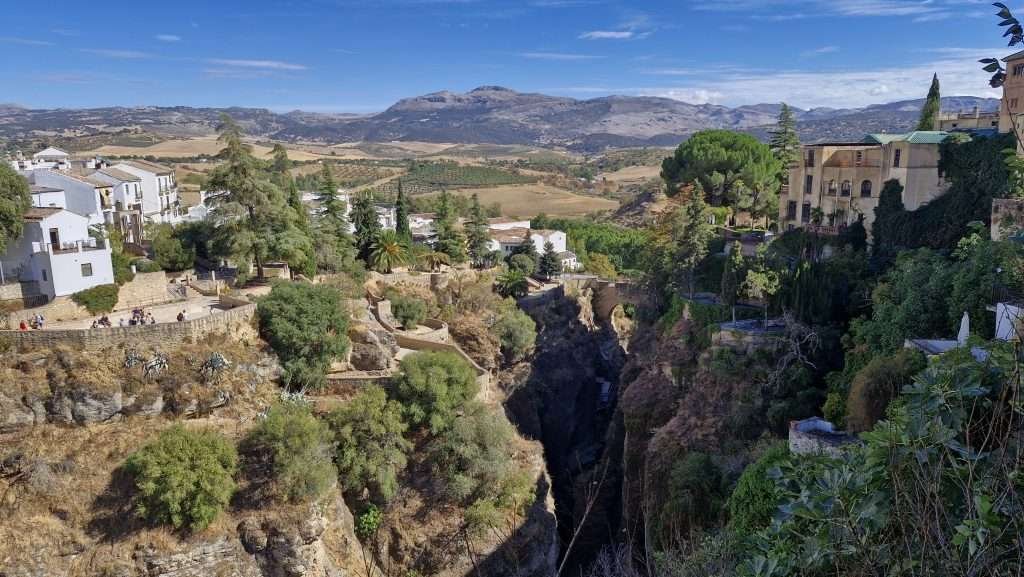
Ronda is perched at over 750 meters above sea level in the rugged Serranía de Ronda mountain range, more than 100 km inland from Spain’s Mediterranean coast. This lofty position gives the town its remarkable vistas and rugged terrain, with the deep El Tajo gorge — carved by the Guadalevín River — cleaving the old town from the newer quarters. Summers here can be warm and dry, while spring and autumn are pleasantly mild, and winters, though cool, add a quieter, reflective charm to the streets.
🏘️ The Old Town: Barrio Antiguo
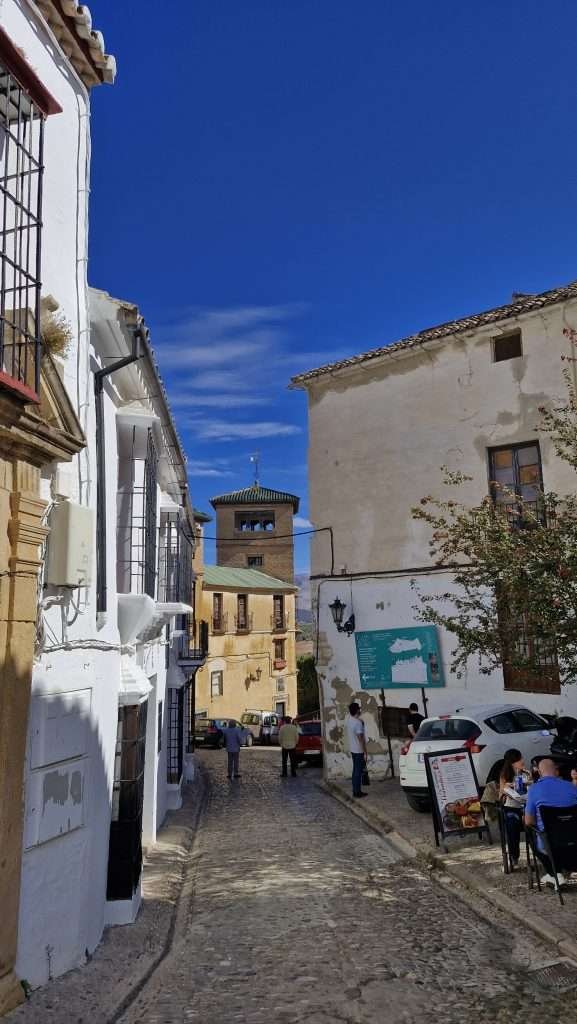
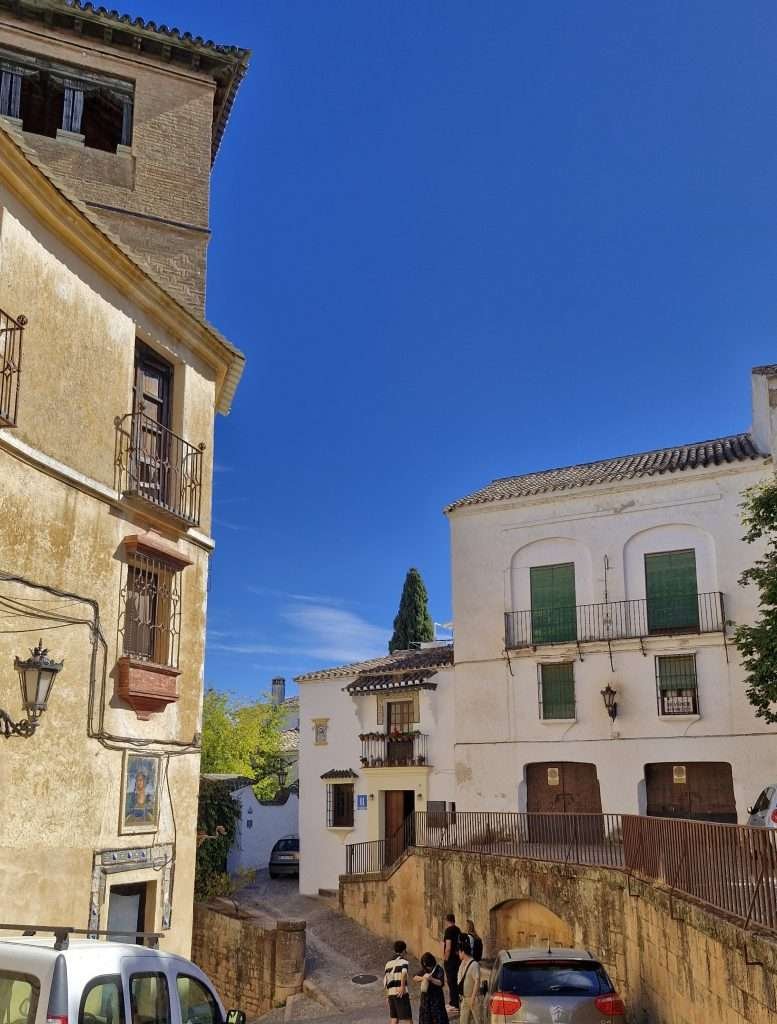
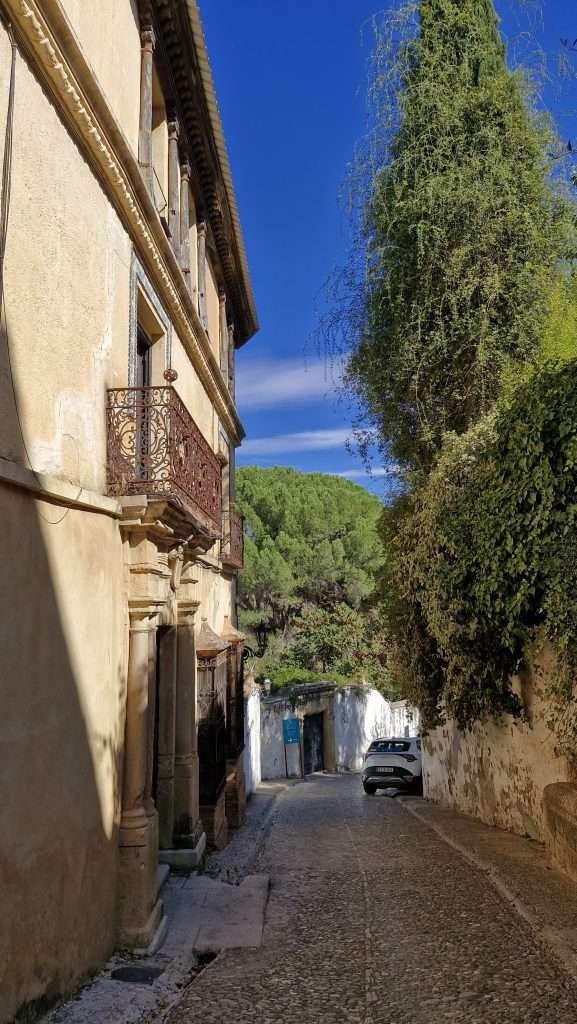
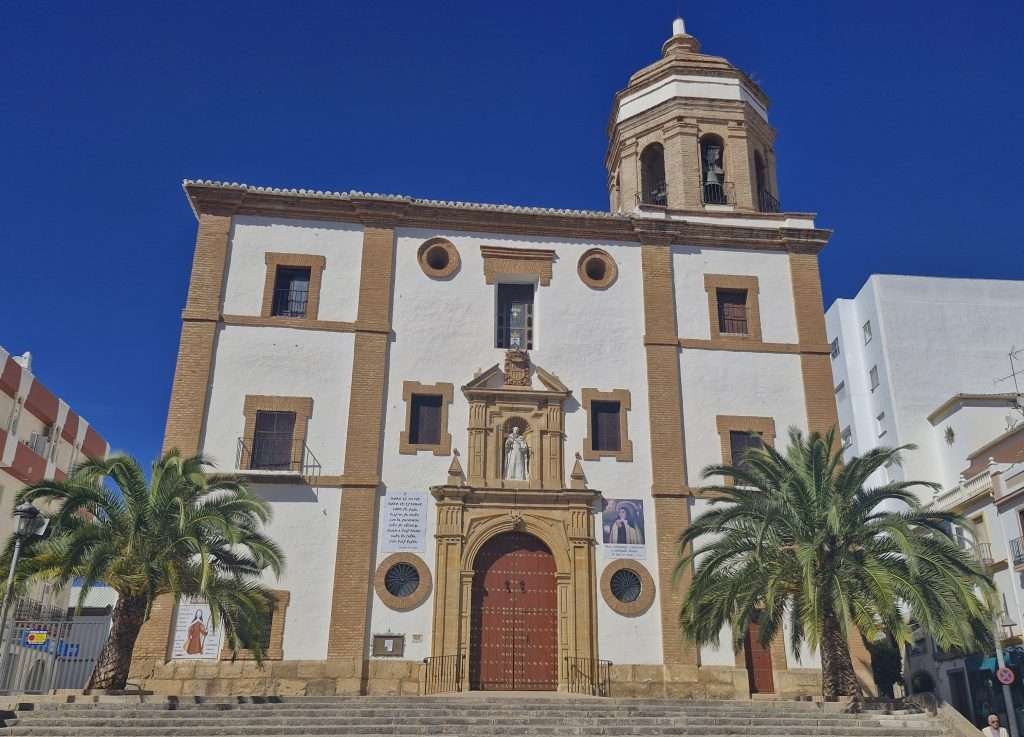
Step into Ronda’s old quarter — often simply called the Casco Antiguo or historic center — and you’ll feel transported. Cobbled lanes wind past whitewashed houses and hidden plazas shaded by orange trees. The Moorish influence lingers in the narrow streets and ancient walls, while Renaissance and Baroque touches appear in churches like Santa María la Mayor and palatial homes like the Palacio de Mondragón. Find a shaded bench in Plaza Duquesa de Parcent and linger; the steady hum of local life is as much part of the experience as the town’s storied stones.
💎 Puente Nuevo: The Bridge That Defines Ronda
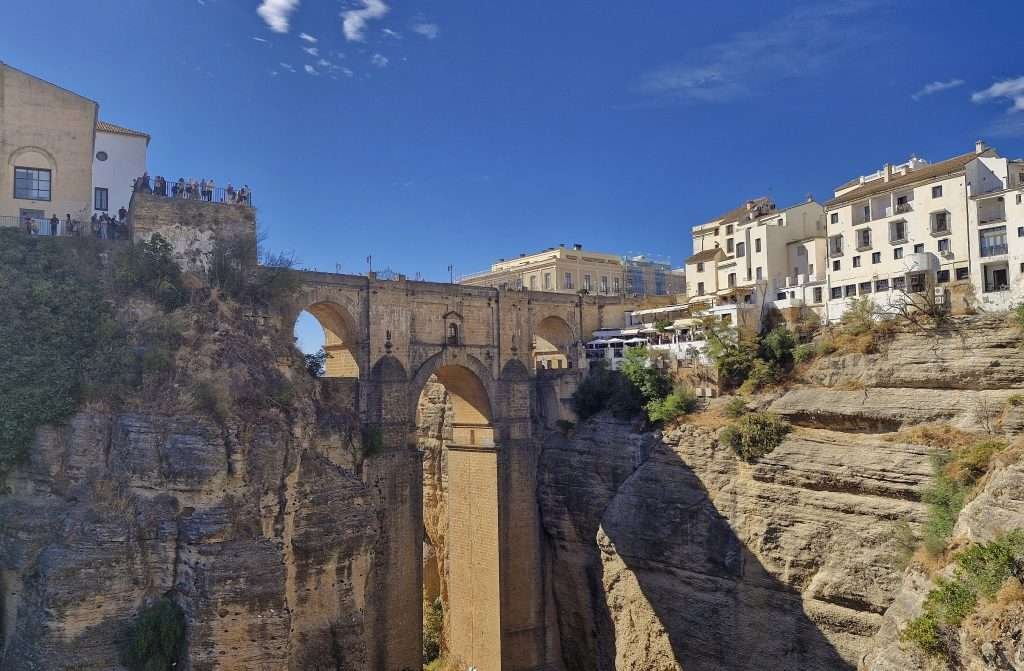
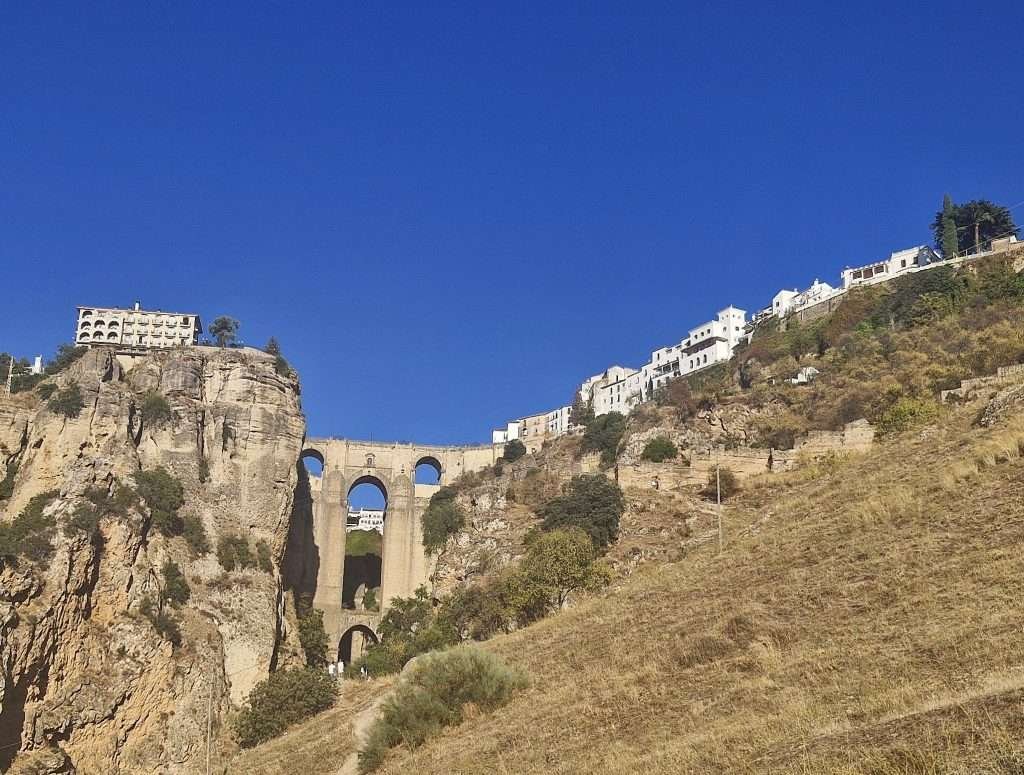
If Ronda has a signature landmark, it’s the Puente Nuevo, the “New Bridge” spanning the El Tajo gorge. Completed in the late 18th century, this monumental stone arch plunges dramatically into the chasm and connects the older Moorish town with the newer section. Standing on it feels like holding a breath — the views sweep across rugged valleys and red-tiled rooftops, and the echo of history seems almost audible. There are two other bridges too — the graceful Puente Viejo and the Puente de los Curtidos — but it’s the towering Puente Nuevo that steals the scene every time.
🍷 Andalusian Flavours
Ronda’s food scene is as warm and inviting as its sunsets. The town’s tapas bars range from lively, buzzy spots packed with locals to tucked-away taverns serving classics like jamón ibérico, patatas bravas, and house-made cheeses. Pair your bites with local Montilla-Moriles wines or a chilled tinto de verano and settle in to watch the world go by. There’s no shortage of places where a casual lunch can stretch into an evening of laughter, wine, and new friends — the kind of meals that linger long after the last drop has been sipped.
🍇 Wine & Vineyards of the Serranía
Beyond tapas bars and bustling plazas, Ronda is quietly building a name for itself in the world of Spanish wine. The surrounding Serranía de Ronda is home to small, independent vineyards producing bold reds and organic blends shaped by the high-altitude climate.
Unlike the more famous wine regions of Spain, this area feels intimate and unpolished — tastings often take place in family-run bodegas where conversation flows as freely as the wine. For travelers looking to explore Andalusia beyond sherry and sangria, Ronda offers something unexpected and refreshingly authentic.
🥘 Best Tapas Bar: La Carpintería tapas bar
If you’re looking for something truly local, head slightly away from the busy center to La Carpintería — a small, family-run tapas bar that feels wonderfully untouched by tourism.
This is the kind of place where regulars greet the owners by name, where plates come out of the kitchen with care, and where the atmosphere is relaxed rather than rushed. It may not have dramatic gorge views or Instagrammable décor, but what it does have is some of the most delicious tapas we tasted in Spain — generous portions, full of flavor, and made with obvious love.
Even better? The prices are surprisingly affordable, especially compared to the more central restaurants. It’s the perfect hidden gem: unpretentious, welcoming, and authentically Andalusian. If you want to eat where locals actually eat, this is your spot.
🎶 Street Music & Local Vibes
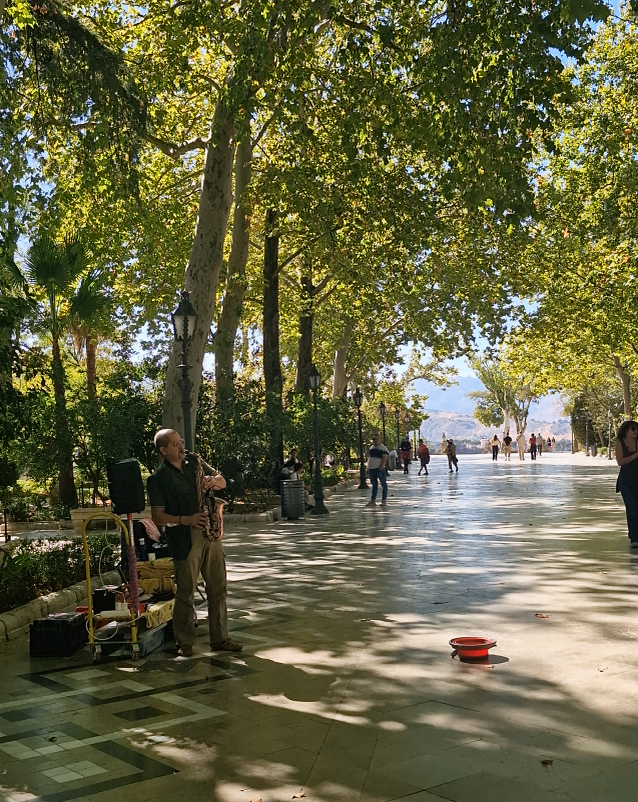
Wandering Ronda after sunset, you might stumble upon musicians playing flamenco guitar in a hidden plaza or a busker filling the night air with soulful notes. Live music feels woven into the town’s fabric here — spontaneous performances in courtyards, guitar strings under orange-blossom trees, voices rising against the echo of stone. It’s part of Ronda’s soul-feel, where culture isn’t just observed, it’s lived.
✨ Hidden Gems & Local Tips
- Keep an eye out for the Arab Baths, beautifully preserved and tucked beneath ancient walls — a quieter, evocative taste of Ronda’s past.
- Climb to the Jardines de Cuenca for some of the best panoramic views of the gorge and bridges.
- Wander early in the morning before day-trippers arrive; the town feels almost sacred in the dawn light.
🌵 Nature & Hiking Around Ronda
Ronda isn’t only about viewpoints and cobbled lanes — it’s also a gateway to wild Andalusian landscapes. Trails wind through the dramatic cliffs surrounding the gorge, offering different perspectives of the El Tajo Gorge and the countryside beyond.
A short drive from town, you’ll find natural swimming spots like Cueva del Gato, where turquoise water pools beneath limestone rock. Whether you prefer a gentle scenic walk or a longer hike through the hills, the landscape around Ronda feels raw, open, and deeply grounding — a reminder of how closely the town is tied to nature.
✈️ How to Get to Ronda
Ronda is well connected to Seville and Málaga, making it perfect for a day trip or a longer stay:
- From Seville — By train or bus, journeys typically take around 2–3 hours through rolling Andalusian countryside.
- From Málaga — Direct buses run regularly (about 2–2.5 hours), and there are also scenic train routes (often with a change) taking around 2.5 hours.
Driving is another popular option — about 1 h 45 min from Málaga and just under 2 h from Seville — and gives you the freedom to explore nearby pueblos blancos (white villages) like Setenil de las Bodegas.
🗓️ Suggested Itinerary for a Day Trip
If you’re short on time, Ronda pairs beautifully with a visit to the surrounding pueblos blancos — Andalusia’s iconic white villages. Start your morning early in Ronda to enjoy the Puente Nuevo before the crowds arrive, wander the old town, and take in the views from the gorge. Around midday, drive 20 minutes to Setenil de las Bodegas, one of the most unique villages in Spain, where houses are built directly into and beneath massive rock overhangs. Have lunch here — dining under a cliff is something you won’t forget.
In the afternoon, continue to Arcos de la Frontera (often considered one of the most beautiful white villages) or explore more of the Serranía de Ronda countryside. The contrast between dramatic cliffs, rolling olive groves, and gleaming whitewashed homes makes this region feel cinematic. With a car, the route itself becomes part of the adventure.
🌟 Why Choose Ronda & the White Villages
There are many beautiful places in Andalusia — but Ronda and the surrounding white villages offer something uniquely atmospheric. Here, landscapes are bold and untamed, yet the towns feel intimate and timeless. You’ll find fewer crowds than in larger cities, slower rhythms, and moments that feel deeply authentic: a guitarist playing in a quiet square, the scent of jasmine drifting from a balcony, sunset light turning the cliffs golden.
Choosing Ronda means choosing a blend of natural drama and cultural depth. Choosing the white villages means discovering Andalusia at its most poetic — simple, striking, and unforgettable.
📖 Fun Fact: A Town That Inspired Writers
There’s something undeniably romantic about Ronda — and writers have felt it too. Ernest Hemingway was captivated by the town and wrote about it in For Whom the Bell Tolls, while the Austrian poet Rainer Maria Rilke spent time here seeking inspiration.
Standing above the gorge at sunset, it’s easy to see why. Ronda doesn’t just offer views — it creates atmosphere. And sometimes, that’s exactly what stories need.